Preliminary studies for Wuhan rail transit began in 1984. Wuhan Rail Transit was established in October 2000, marking the start of the city's rail development. Wuhan Metro Group was formed in 2007 and authorized to undertake construction, operations, land reserves, property development, resource management and financing, supporting expansion of the network.
Since construction of Wuhan's first rail line began in 2000, the system developed from a single line into a network. The original profile reported 334 kilometers of operating routes and 225 stations, covering Lines 1, 2, 3, 4, 6 and 7, the airport and southern extensions of Line 2, the first phase of Line 8, Yangluo Line, the eastern section of Line 11, Zhifang Line and Caidian Line. Its historical fourth-phase plan anticipated a 606-kilometer, 14-line network by 2024; these are figures and plans from the original case entry.
Wuhan Metro Group's profile emphasizes integrity, dedication, efficiency and service. Its development approach combines rail transit and property development, with the aim of improving mobility, supporting urban growth and providing convenient journeys for residents.
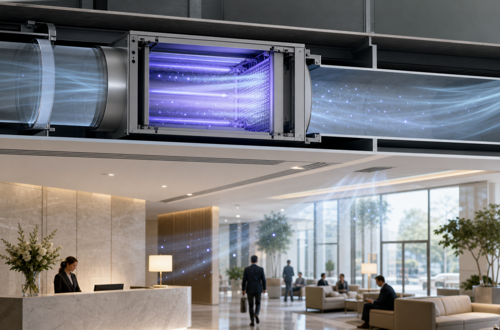
BIOSUN provides air treatment solutions for rail transit. Its Chinese project profile reports experience across more than 100 rail projects in China and overseas, with applications addressing airborne microorganisms, particles, chemical gases and emissions from interior materials in occupied transport environments.
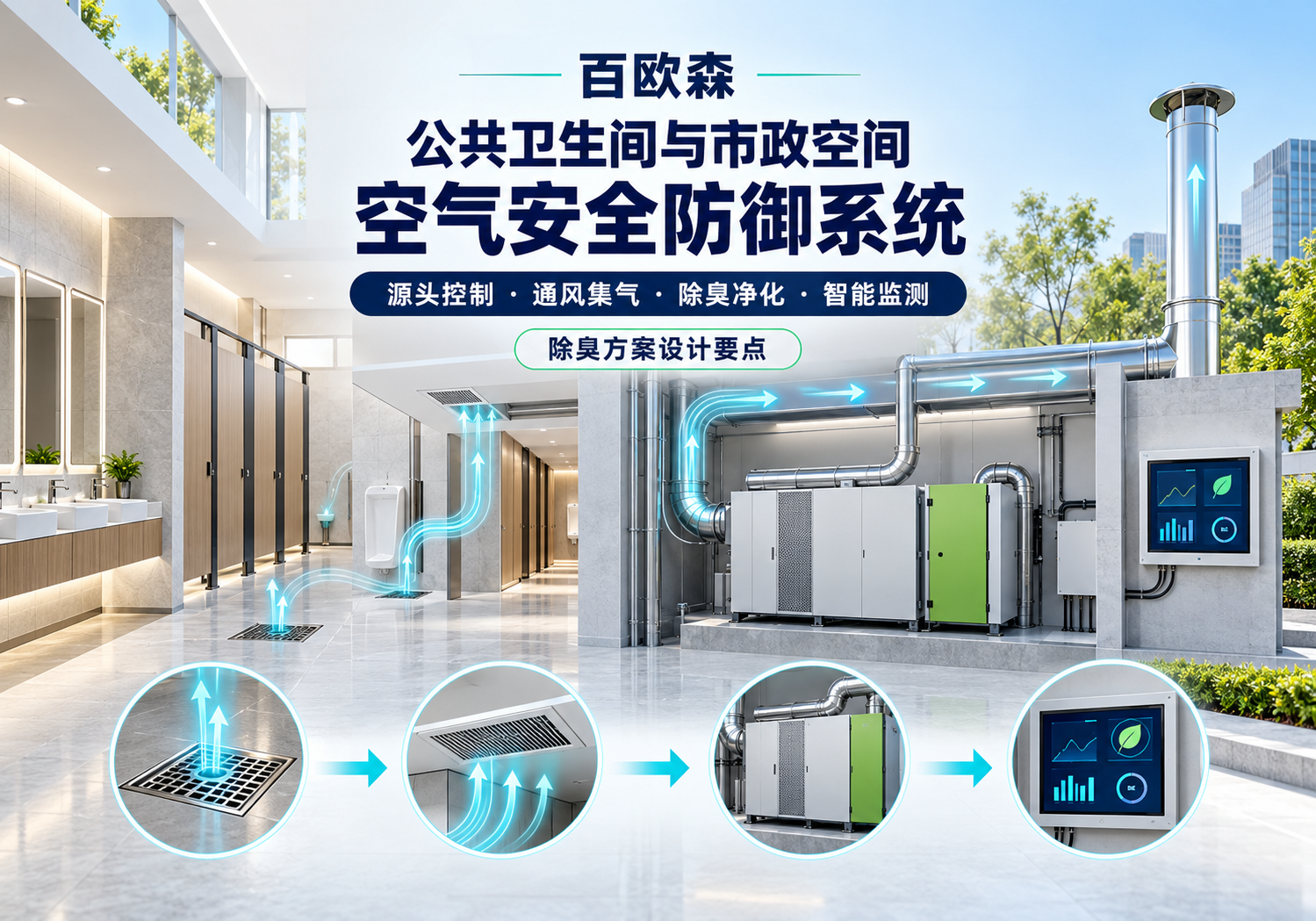
Applications cover train interiors, platforms, station halls and public restrooms. BIOSUN applies PHOTOPLASMA technology to selected microbial, gaseous and particulate air treatment requirements. Performance should be assessed against the equipment specifications, relevant test reports and operating conditions.